Information signs are mostly rectangular and tell you something useful rather than giving an order. They show things like one-way streets, no through roads, hospitals, parking and priority over oncoming traffic. Blue backgrounds are common on local information signs and white or green on route information.
What does each information sign mean?
Each sign is shown with its official meaning from the Department for Transport. Tap through to the quiz when you’re ready to test yourself.
-
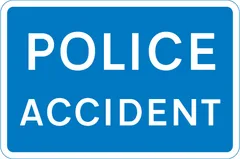
Accident ahead and consequent need to proceed with caution -
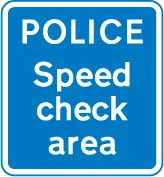
Area where police carry out checks on the speed of vehicles -
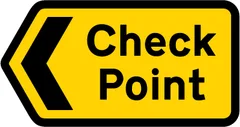
Direction to a vehicle check point -
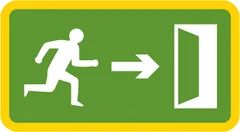
Direction to emergency exit for pedestrians from a tunnel -
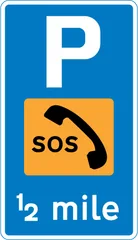
Distance ahead to emergency telephone in a parking place -
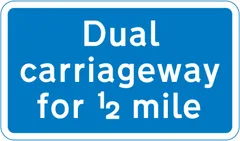
Distance of 1/2 mile of dual carriageway road extends ahead -
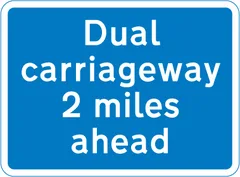
Distance of 2 miles to a section of dual carriageway ahead -
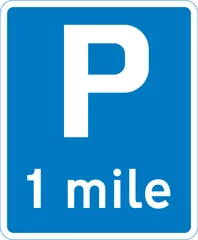
Distance to a parking place ahead -
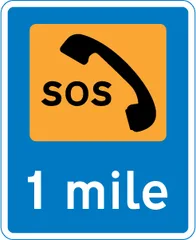
Emergency telephone 1 mile ahead -
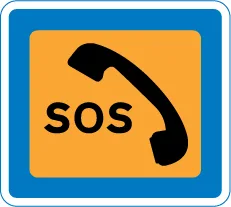
Emergency telephone ahead -
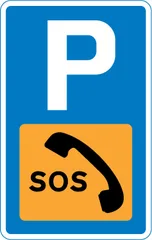
Emergency telephone in a parking place -
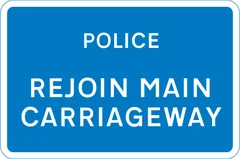
End of temporary permission for traffic to use the hard shoulder -
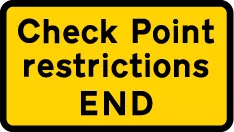
End of vehicle check point area -
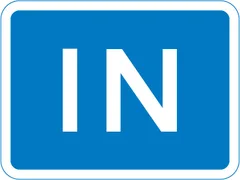
Entrance to a car park, private access road or property -
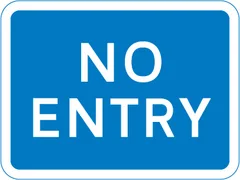
Entry to a car park, private access road or property from a public road not allowed -
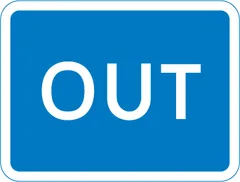
Exit from a car park, private access road or property -
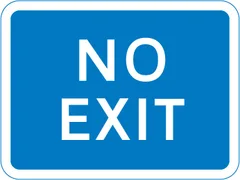
Exit from a car park, private access road or property from a public road not allowed -
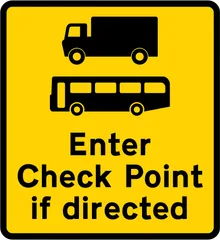
Goods vehicles and buses may be directed to enter a check point ahead -
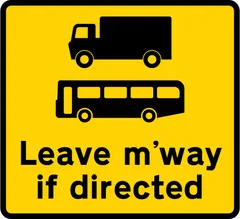
Goods vehicles and buses may be directed to leave the motorway at the junction ahead -
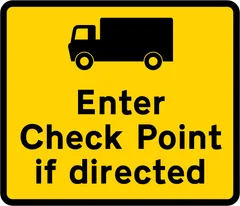
Goods vehicles may be directed to enter a check point ahead -
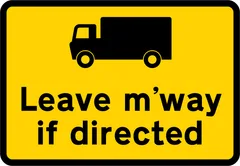
Goods vehicles may be directed to leave the motorway at the junction ahead -
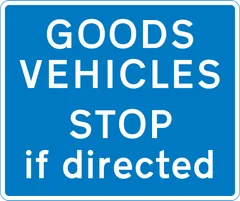
Goods vehicles may be directed to stop ahead by a constable in uniform -
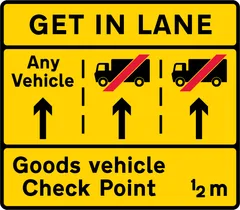
Goods vehicles should get into the left hand lane of a three lane carriageway on the approach to a goods vehicle check point -
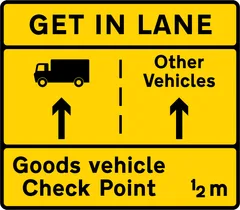
Goods vehicles should get into the left lane to attend a goods vehicle check point ahead -
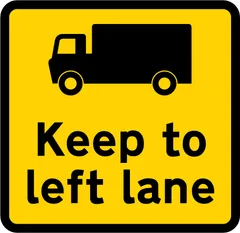
Goods vehicles should keep to the left hand lane on approach to check point ahead -
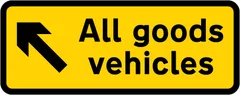
Goods vehicles should leave the main carriageway on the approach to a vehicle check point -
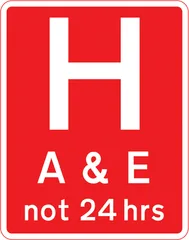
Hospital ahead with accident and emergency facilities -
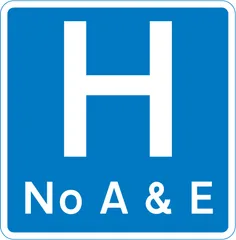
Hospital ahead without accident and emergency facilities -
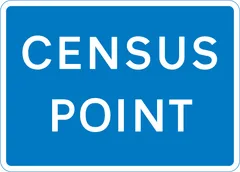
Location of traffic survey -
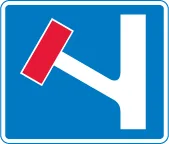
No through road for vehicular traffic in direction indicated from junction ahead -
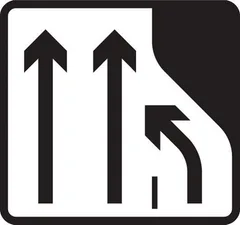
Number of lanes of traffic lanes ahead on a dual carriageway reduces from three lanes to two. Traffic in the right hand lane must move into the lane on the immediate left -
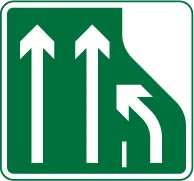
Number of lanes of traffic lanes ahead on a primary route reduces from three lanes to two. Traffic in the right hand lane must move into the lane on the immediate left -
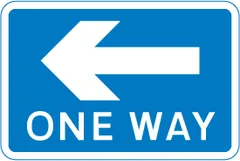
One-way traffic in direction indicated (sign for pedestrians) -
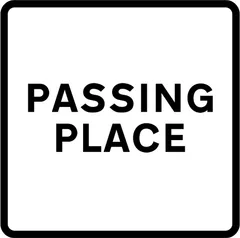
Passing place on a narrow road -
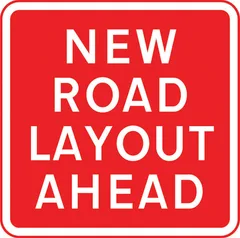
Permanent change to the road layout ahead -
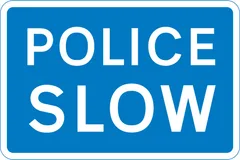
Potential danger temporarily ahead and consequent need to proceed with caution -
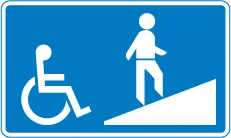
Ramped entrance to pedestrian overbridge -
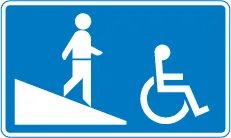
Ramped entrance to pedestrian subway -
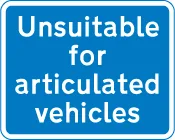
Road unsuitable for articulated vehicles -
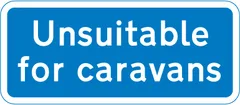
Road unsuitable for caravans -
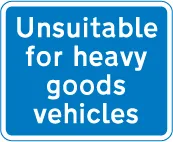
Road unsuitable for heavy goods vehicles -
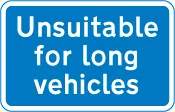
Road unsuitable for long vehicles -
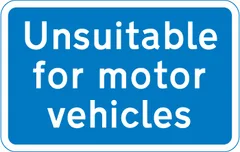
Road unsuitable for motor vehicles -
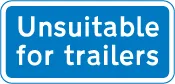
Road unsuitable for trailers -
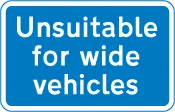
Road unsuitable for wide vehicles -
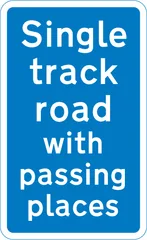
Route ahead only wide enough for one line of vehicles, but has passing places at intervals -
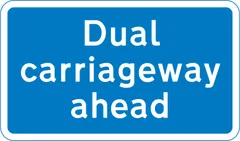
Section of dual carriageway road begins ahead -
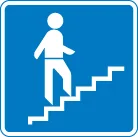
Stepped entrance to pedestrian overbridge -
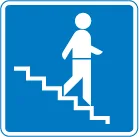
Stepped entrance to pedestrian subway -
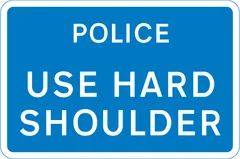
Traffic should use the hard shoulder in an emergency -
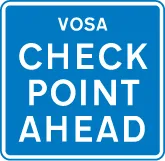
Vehicle and Operator Services Agency check point ahead -
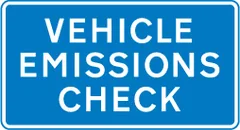
Vehicle emissions check point ahead -
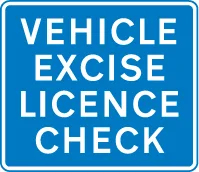
Vehicle excise licence check point ahead -
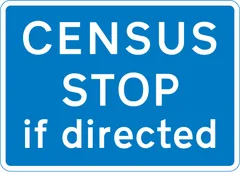
Vehicles may be directed to stop at a traffic survey ahead -
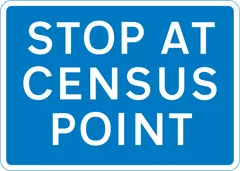
Vehicles must stop at a census traffic point -
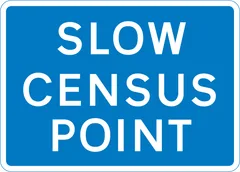
Vehicles should reduce speed on approaching a traffic survey ahead -
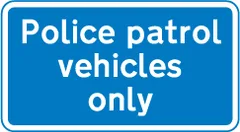
Waiting place at a lay-by or observation platform for police vehicles only
Ready to test yourself on road signs?
The free road signs quiz uses the same official artwork, with an explanation for every answer. Revise the rules behind them in our Road & Traffic Signs guide.
Start the road signs quizFrequently asked questions
How do you recognise information signs?
Information signs are mostly rectangular and tell you something useful rather than giving an order. They show things like one-way streets, no through roads, hospitals, parking and priority over oncoming traffic. Blue backgrounds are common on local information signs and white or green on route information.
Do information signs come up in the theory test?
Yes. Signs appear throughout the theory test, mainly in the Road & Traffic Signs topic and also in topics such as Road & Traffic Signs. Practise with our free questions until you can read each sign from its shape and colour.
Which other road sign categories should you learn?
Traffic sign images: Crown copyright, Department for Transport. Reproduced under the Open Government Licence v3.0. Licence · Source.